Projection Mapping
Description
Turn your space into astory people can see
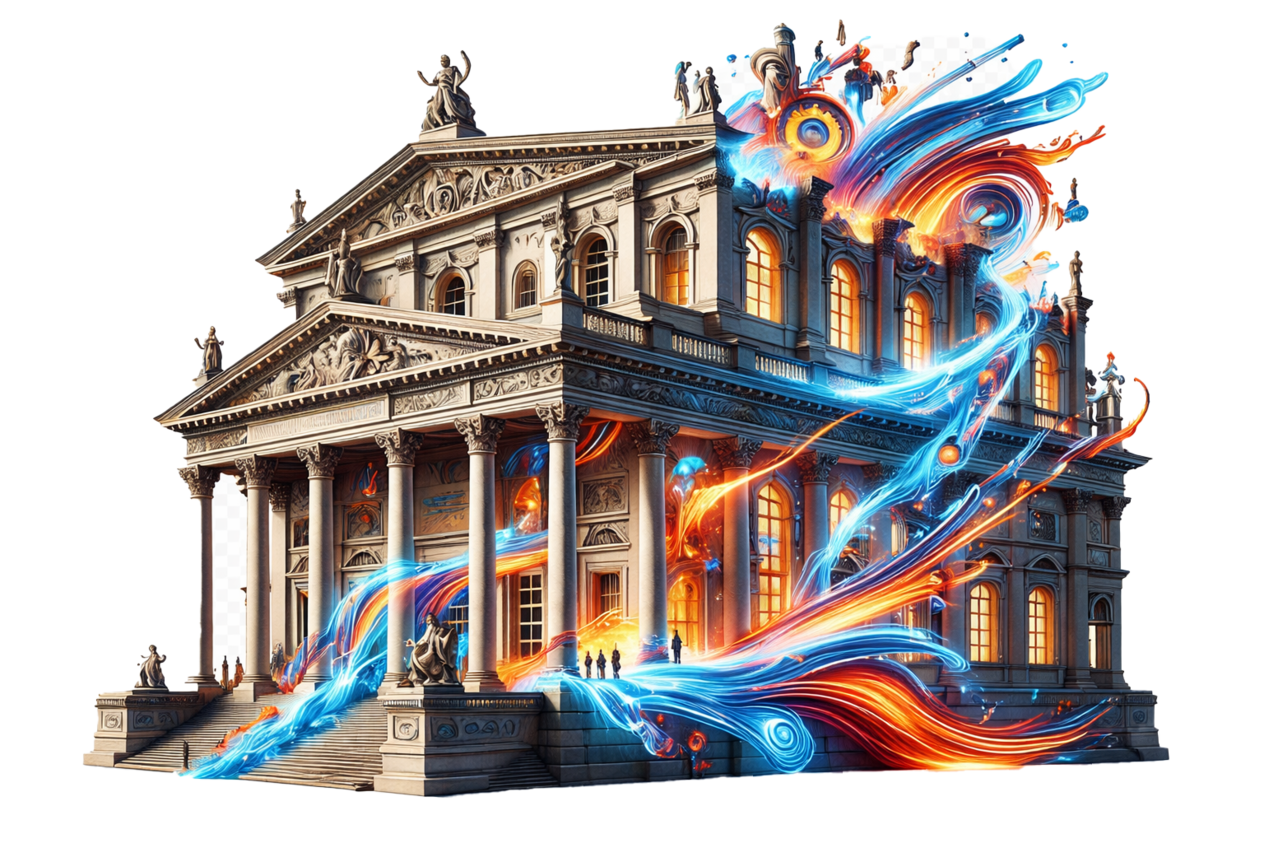
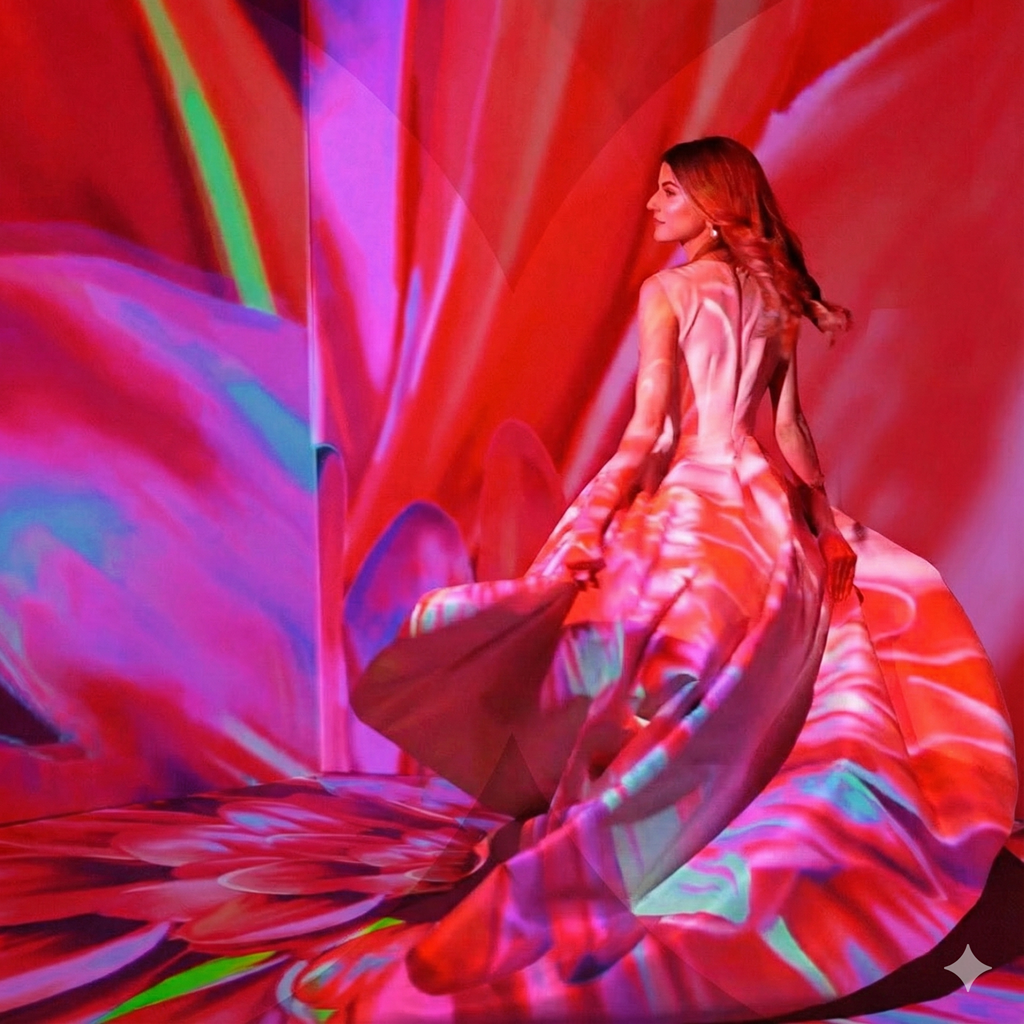
Projection mapping helps your audience experience a place in a new way. Instead of using ascreen, we use the architecture, surface, or environment itself as the canvas.Content is designed for that specific structure, so the building appears tomove, open, and change rather than simply hold a video.
For brand launches, publicevents, cultural moments, festivals, and exhibitions, we design projectionexperiences that make people stop, watch, and remember. Our work includes 3Dprojection mapping at Mohatta Palace, the Pakistan Monument, Mazar-e-Quaid,Governor House Lahore, and Quaid’s Residency in Ziarat.
Architectural Projection Mapping
Bring buildings, monuments, and facades to life with visuals shaped around their structure. Architectural projection mapping reads the geometry of the building first, so windows, arches, columns, and depth all become part of the story rather than obstacles to work around.
Building Projection Mapping for Brands
Building projection mapping turns a headquarters, showroom, tower, or retail frontage into a full scale brand statement. Ideal for product launch projection, anniversaries, and campaign moments where the building itself becomes the advertisement for one night.
Event and Festival Projection Mapping
Create high impact visual moments for launches, ceremonies, concerts, festivals, and live events. Event projection mapping covers stage design, scenic surfaces, and set pieces, timed to music, speech, and the run of show so the visuals move with the moment.
Heritage and Monument Projection Mapping
Heritage and monument projection mapping transforms protected structures without touching them, because light is the only thing that reaches the building. Nothing is drilled or attached. We plan around short night access windows, layered permissions, and the meaning of the site itself.
Interactive and Responsive Projection Mapping
Use motion tracking, sensors, or audience input to make visuals respond in real time. Interactive and responsive projection mapping turns viewers into participants, so the experience changes with movement, gesture, crowd density, or live data.
3D Visualization and Motion Content Design
Develop the visual story, animation, timing, and content needed to make the projection feel seamless. This is where video projection mapping becomes a narrative: original 3D visualization, sound design, and a light and sound show projection sequence built for one specific surface
Landmark work, deliveredon a fixed date
Most projectionwork happens once, in public, on a date that cannot move. That is why we keepcreative direction and technical delivery inside the same team, and why testingon the real surface is a stage of our process rather than a final check.
We have workedon some of Pakistan’s most recognised buildings, where installation has to benon invasive, access is limited, and the story has to be handled with care.That experience is what a brand launch benefits from too.
Answers to the Questions Asked
Whether you areplanning a building projection, a product launch, or a full light and soundshow, here are the questions we are asked most often. If yours is not covered,get in touch and we will answer it directly.
3D projection mapping aligns projected video precisely to the shape of a physical surface, so a building, monument, stage, or object appears to move and transform. Because the content is built for that exact structure, the show reads as a story told by the surface itself.
Buildings, stages, indoor walls, monuments, sets, exhibition spaces, and custom built surfaces can all be used, depending on the creative and technical requirements. Pale, flat, and untextured surfaces give the cleanest result, though heavily detailed facades often make the most striking work.
Timelines depend on the scale of the space, content complexity, location, and testing needs. Smaller event pieces can move faster, while architectural or public installations need more planning. On heritage sites, permissions and site surveys usually set the schedule rather than production.
Yes. We can add motion tracking, sensors, audience input, or AI driven elements so the projection responds to people or activity in the space. Interactive work suits exhibitions, retail, and installations running over days rather than a single timed show.
No. Light is the only thing that reaches the surface, so nothing is drilled, fixed, or attached to the facade. Equipment is positioned at a distance and the building is left exactly as found. We have worked this way at Mohatta Palace and the Pakistan Monument.
Cost is set by the project rather than a fixed rate. The main drivers are the size of the surface, which determines projector count and brightness, the amount of original content designed, the run length, and site complexity such as access, power, and permissions.
Have a story people should experience?


.webp)